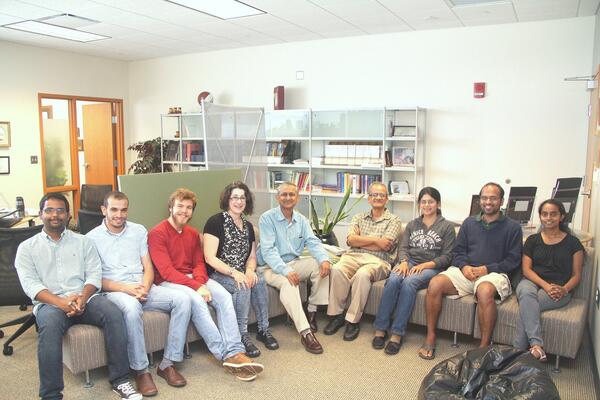
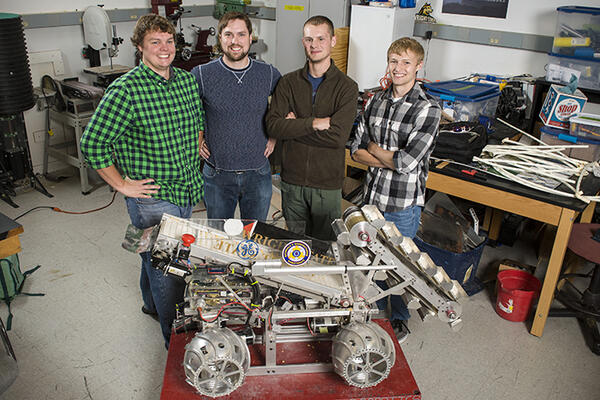
Five Wright State engineering and computer science students will participate NASA’s Robotic Mining Competition at the Kennedy Space Center.
Cyber Security Team Takes 1st Place
The 10th annual Hacksec Packetwars ( packetwars.com) took place in Dayton on October 16th, 2016 bringing out the best and brightest cyber security minds from around the globe. This years winners were the Wright State University Cyber Security Club team comprised of the club founder Mike Alfaro and

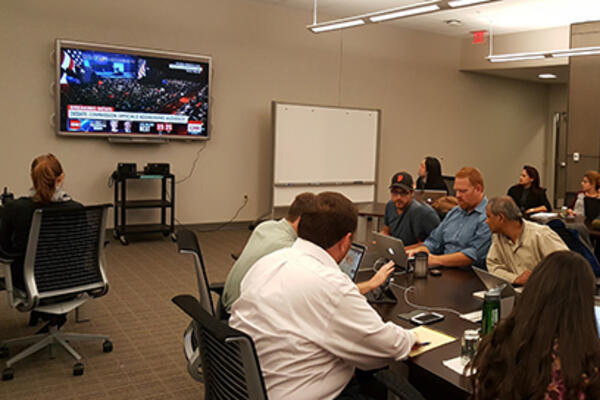
Kno.e.sis Tech Used During the First Presidential Debate
Twitris, a tool developed by the Kno.e.sis Center, is being commercialized by Dayton-based Cognovi Labs. In combination with APRI and Kno.e.sis, Cognovi Labs did a real-time social media analysis during the first 2016 presidential debate. Some of the results of that analysis were live-blogged by the
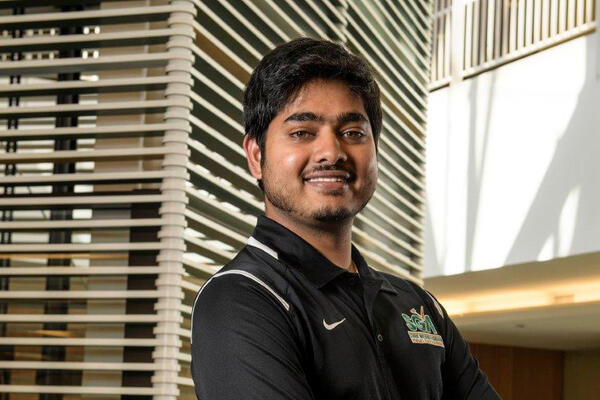
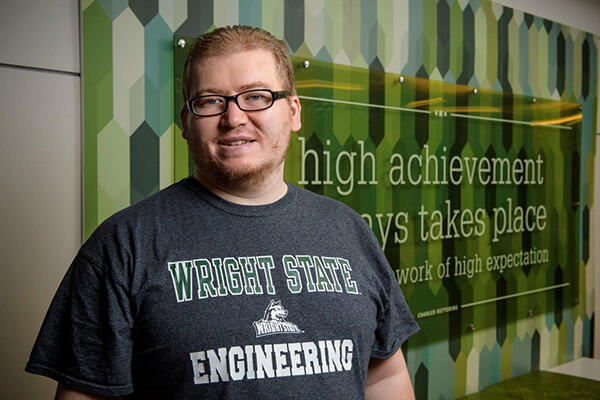
Nathan Balasubramanian is involved in numerous campus activities, including the Student Government Association, while working toward two graduate degrees.
Wright State grad turns a computer science degree and love for gaming into a software engineering career, working on games played by millions of people.

Nickolas Hayden is majoring in computer engineering and philosophy and hopes to pursue a career in computer programming or create apps or video games.
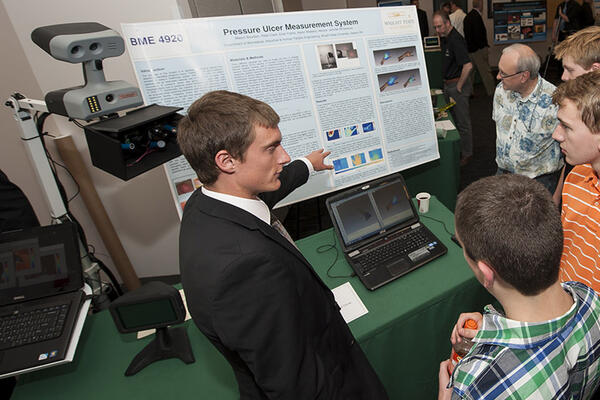
The College of Engineering and Computer Science Senior Design Showcase takes place April 29 from 2 to 4 p.m., followed by an awards ceremony at 4:30 p.m.
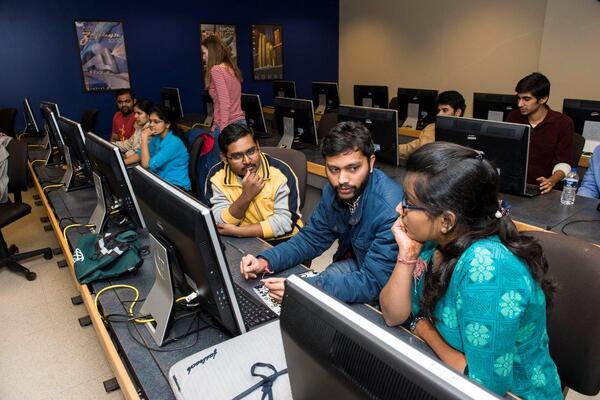
When they first arrive at Wright State’s College of Engineering and Computer Science, many international students face challenges other students usually never encounter.
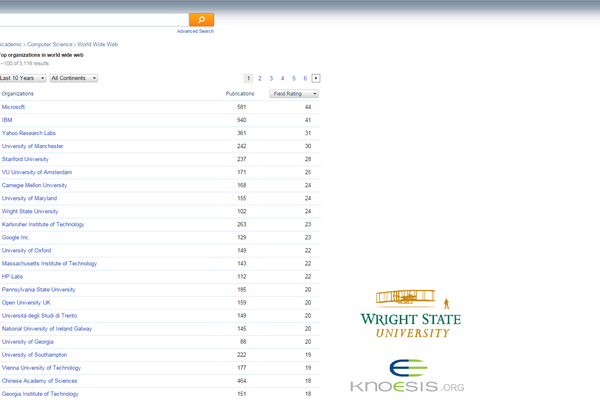
Outsized Publication Impact of Kno.e.sis and Some of Its Students
The World Wide Web (WWW or the Web) has been one of the most important high-tech areas. Today’s biggest corporations such as Google and Facebook are all poised in unique positions because they make the Web more useful and provide new functions. In this important area, did you know our own Wright
NSF-funded Research and Crowdsourcing Come Together during the Chennai Floods
The objective of the recently awarded NSF project Social and Physical Sensing Enabled Decision Support for Disaster Management and Response is to use physical and social data to improve situational awareness during natural disasters. Prof. Sheth and his students at the Kno.e.sis center working on